Is dropshipping still profitable in 2026 or changing fast
 shopify-Trends-Driving-Ecommerce-Growth-1024×683.webp” alt=”shopify trends diagram showing ecommerce growth and strategy” width=”700″ height=”467″ />
Dropshipping still attracts new sellers in 2026. However, the game has changed a lot. Firstly, simple stores no longer work like before. Secondly, smart sellers now focus on brand and trust.
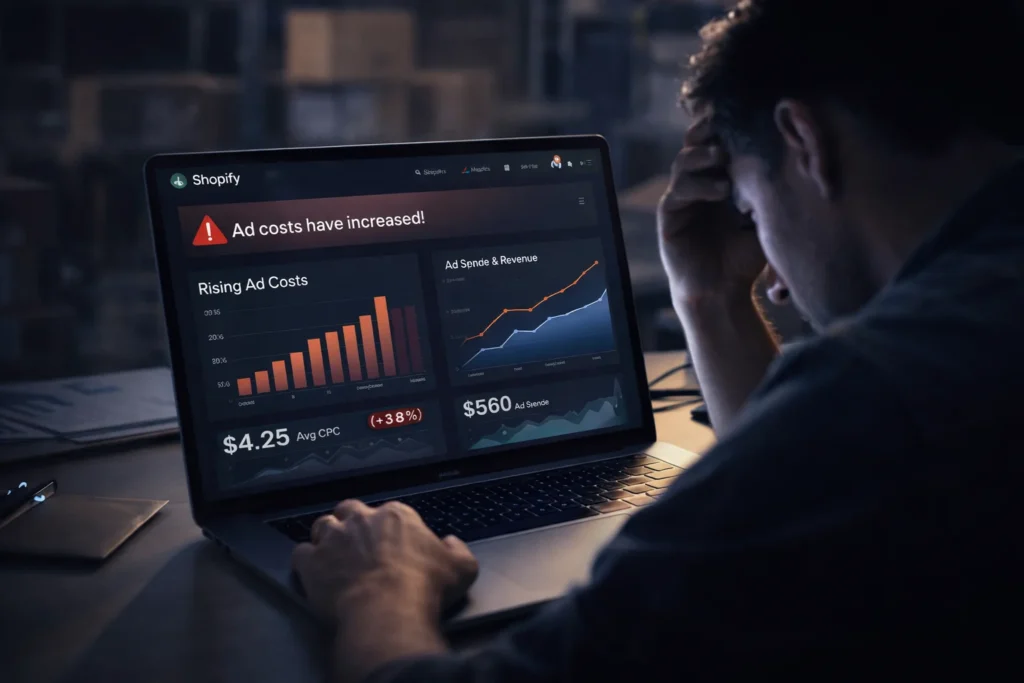
Increasing ad costs make it harder for new dropshipping sellers
What is dropshipping today
Firstly, dropshipping means you sell without holding stock. Instead, suppliers ship products directly to buyers.
Secondly, the dropshipping business model now focuses on customer experience. As a result, fast delivery and quality matter more than ever.
- You create a store and list products
- You run ads or organic traffic
- You forward orders to suppliers
- You keep the profit margin
In addition, many sellers now use Shopify for store setup. Therefore, design and speed play a big role.
Why people think dropshipping is dead
Firstly, many beginners fail fast. However, they copy old tactics from past years.
Secondly, ad costs increased a lot. As a result, poor strategy leads to losses.
- Low quality products damage trust
- Slow shipping kills repeat buyers
- No branding leads to weak stores
- Copycat products fail quickly
In contrast, smart sellers adapt fast. Therefore, they still win in this space.
How the dropshipping business model evolved
Firstly, old dropshipping focused on cheap items. However, today sellers focus on value and branding.
Secondly, private suppliers now replace random marketplaces. As a result, delivery time improves.
- Find a niche with demand
- Build a branded store
- Work with trusted suppliers
- Focus on repeat customers
For instance, many sellers now use Shopify platform with custom branding. That means they build long term assets.
Shopify trends shaping the market
Firstly, shopify trends now favor niche stores. Secondly, general stores no longer perform well.
In addition, mobile experience matters more than ever. Therefore, fast loading pages win.
- Short video ads drive traffic
- User generated content builds trust
- Local warehouses improve delivery
- Email flows increase lifetime value
Meanwhile, automation tools help manage orders. As a result, sellers save time daily.
Can you still make dropshipping profit
Yes, you can still earn dropshipping profit in 2026. However, you must run it like a real business.
Firstly, you need proper margins. Secondly, you must control ad costs.
| Factor | Old Approach | New Approach |
|---|---|---|
| Product | Cheap trending items | Quality niche products |
| Shipping | Slow delivery | Fast local delivery |
| Brand | No branding | Strong identity |
| Ads | Test random creatives | Data driven testing |
Table: Comparison between old and modern dropshipping approach
In fact, profit comes from repeat buyers. Therefore, retention matters more than first sale.
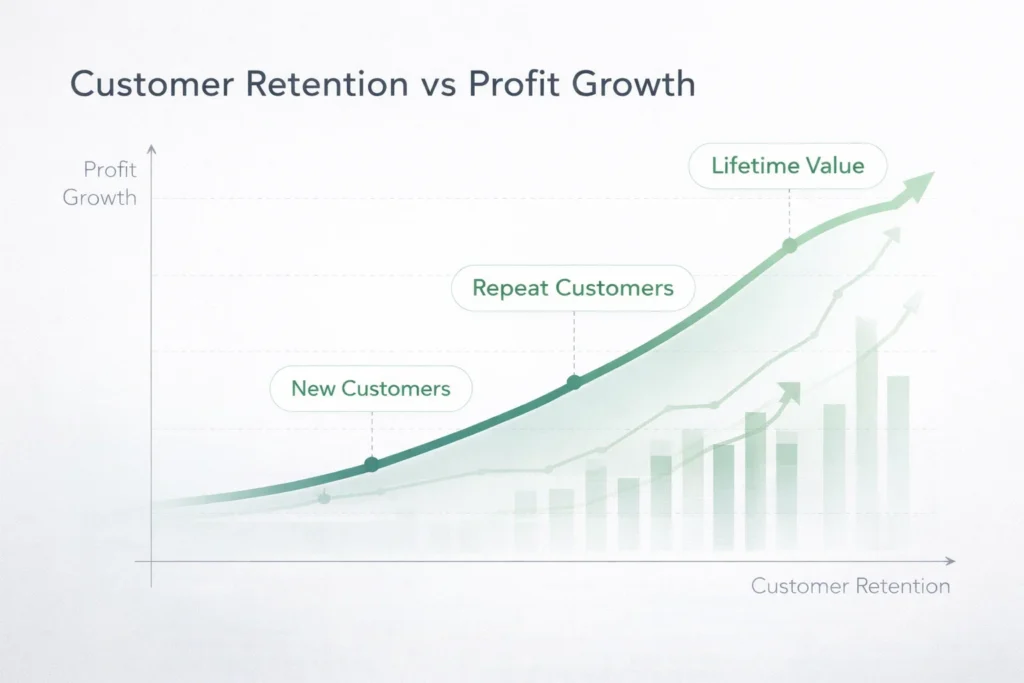
Profit grows faster when customer retention improves over time
Best shopify dropshipping strategy in 2026
Firstly, build a brand first. Secondly, select products with real demand.
Next, focus on content marketing. That means you drive traffic without only ads.
- Pick a niche with clear audience
- Create a clean Shopify store
- Add social proof and reviews
- Run video ads on social platforms
- Build email and SMS list
Additionally, test creatives daily. As a result, you find winning ads faster.
For example, you can study dropshipping in UAE markets. This helps you spot new trends early.
Growth in UAE and KSA markets
Firstly, UAE and KSA markets grow fast. Secondly, online shopping demand keeps rising.
In addition, local delivery improves customer trust. Therefore, sellers see better conversion.
- High spending customers
- Strong mobile usage
- Growing ecommerce adoption
- Demand for premium products
Similarly, local branding works well in these regions. As a result, sellers can build loyal customers.
What the ecommerce future looks like
Firstly, the ecommerce future focuses on trust. Secondly, speed and quality will decide winners.
In contrast, cheap stores will fade away. Therefore, serious sellers will dominate.
- AI helps product research
- Personalisation improves sales
- Fast shipping becomes standard
- Brand loyalty drives growth
Most importantly, dropshipping becomes a real business model. That means you must treat it seriously.
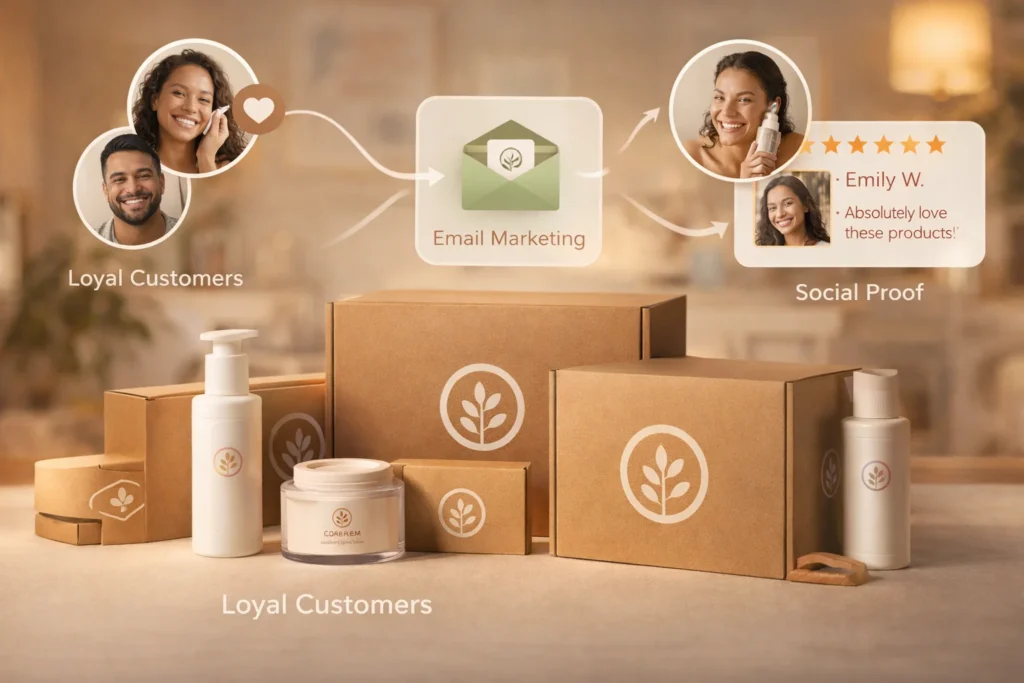
Modern dropshipping success depends on strong branding and retention
Frequently Asked Questions
Is dropshipping still worth it in 2026?
Yes, it still works. However, you need better strategy and branding.
How much dropshipping profit can I make?
Profit depends on niche and ads. Most sellers aim for twenty to thirty percent margins.
Do I need Shopify for dropshipping?
Many sellers use Shopify. It offers easy setup and strong tools.
What is the biggest mistake beginners make?
They copy old methods. Instead, focus on branding and customer trust.
Which markets are best for dropshipping now?
UAE and KSA markets grow fast. They offer strong buying power.
Ready to grow your Amazon business?
Get a free strategy call with Advertpreneur.
Conclusion
Firstly, dropshipping is not dead in 2026. However, it has changed a lot.
Secondly, success now depends on brand and trust. Therefore, serious sellers still make strong profits.
Finally, treat dropshipping like a real business. In short, focus on long term growth.
Introduction
Your Shopify store design is the foundation of your e-commerce success. A well-designed Shopify store can increase conversion rates by 20-40% compared to poorly designed stores, while a bad design can kill sales before customers even see your products.
But creating a conversion-optimized Shopify website isn’t just about making it look pretty—it’s about strategic design, user experience optimization, and understanding what makes customers click “Add to Cart.”
In this comprehensive guide, we’ll teach you everything you need to know about Shopify website design. You’ll learn proven strategies, best practices, and actionable tips to create a store that not only looks great but drives real sales.
Why Shopify Website Design Matters
The Impact of Design:
Conversion Rate Impact:
- Well-designed stores: 2-4% average conversion rate
- Poorly designed stores: 0.5-1% conversion rate
- Difference: 2-4x more sales with good design
User Experience Impact:
- Fast-loading stores: 40% higher conversion
- Mobile-optimized: 70% of traffic is mobile
- Clear navigation: 30% more time on site
- Trust signals: 25% higher conversion
Business Impact:
- Professional design: Builds trust and credibility
- Better UX: Reduces cart abandonment
- SEO benefits: Better rankings
- Brand building: Stands out from competitors
Key Elements of Conversion-Optimized Shopify Design
1. Homepage Design
Critical Elements:
Hero Section
- Compelling headline – Clear value proposition
- High-quality image – Professional, on-brand
- Clear CTA – “Shop Now”, “Browse Collection”
- Above the fold – Most important info visible immediately
Navigation
- Clear menu structure – Easy to find products
- Search functionality – Help customers find products
- Cart icon – Always visible
- Mobile-friendly – Hamburger menu on mobile
Trust Signals
- Customer reviews – Social proof
- Security badges – SSL, payment security
- Shipping info – Free shipping, fast delivery
- Return policy – Easy returns build trust
Product Showcase
- Featured products – Best sellers, new arrivals
- Category previews – Quick access to collections
- Visual appeal – High-quality product images
- Clear CTAs – “Shop [Category]”
2. Product Page Design
Conversion-Critical Elements:
Product Images
- Multiple angles – 5-7 high-quality images
- Zoom functionality – Let customers inspect
- Lifestyle photos – Product in use
- Size guides – Help with fit/sizing decisions
Product Information
- Clear title – Descriptive, keyword-rich
- Compelling description – Benefits, not just features
- Key features – Bullet points, easy to scan
- Specifications – Technical details for those who want them
Pricing and Options
- Clear pricing – Prominent, easy to see
- Variants – Size, color, style options
- Stock status – “In Stock” or “Only 3 left”
- Add to Cart – Prominent, above the fold
Social Proof
- Customer reviews – Real feedback
- Star ratings – Visual trust indicator
- Customer photos – User-generated content
- FAQ section – Address common questions
3. Checkout Optimization
Critical for Conversion:
Streamlined Process
- Guest checkout – Don’t force account creation
- Progress indicator – Show checkout steps
- Auto-fill – Address autocomplete
- Multiple payment options – Credit card, PayPal, etc.
Trust and Security
- Security badges – SSL, payment security
- Return policy – Clear, visible
- Shipping calculator – Show costs upfront
- Order summary – Clear breakdown
Mobile Optimization
- Mobile-first design – 70%+ traffic is mobile
- Large buttons – Easy to tap
- Simplified forms – Minimal fields
- Fast loading – Under 3 seconds
Shopify Design Best Practices
1. Mobile-First Design
Why it matters:
- 70%+ of traffic comes from mobile
- Mobile conversion often lower than desktop
- Google prioritizes mobile-friendly sites
- User experience critical on small screens
Best Practices:
- Responsive design – Works on all devices
- Touch-friendly – Large buttons, easy navigation
- Fast loading – Optimize images, minimize code
- Simplified navigation – Hamburger menu, clear structure
- Thumb-friendly – Important elements within thumb reach
2. Fast Loading Speed
Impact on Conversion:
- 1 second delay = 7% conversion drop
- 3+ seconds = 40% abandonment
- Target: Under 3 seconds load time
Optimization Tips:
- Optimize images – Compress, use WebP format
- Minimize apps – Only essential apps
- Use CDN – Fast content delivery
- Lazy loading – Load images as needed
- Clean code – Remove unused code
3. Clear Navigation
Navigation Principles:
- Simple structure – 5-7 main categories max
- Logical grouping – Related products together
- Search functionality – Help customers find products
- Breadcrumbs – Show location in site
- Footer links – Important pages accessible
4. High-Quality Images
Image Requirements:
- Professional photography – High-quality, consistent
- Multiple angles – Show product completely
- Lifestyle images – Product in use
- Consistent style – Match brand aesthetic
- Optimized size – Fast loading, high quality
5. Trust Building Elements
Trust Signals:
- Customer reviews – Real feedback
- Security badges – SSL, payment security
- Social proof – “Join 10,000+ happy customers”
- Guarantees – Money-back, satisfaction
- Contact info – Easy to reach support
6. Clear Value Proposition
Communicate Value:
- Headline – What you offer, why it matters
- Benefits – What’s in it for customers
- Differentiation – Why choose you
- Urgency – Limited time, limited stock
- Social proof – Others love it
Shopify Theme Selection
Choosing the Right Theme:
Free Themes:
- Dawn – Modern, fast, mobile-optimized
- Debut – Simple, clean, versatile
- Brooklyn – Bold, fashion-focused
- Minimal – Clean, minimal design
Best for:
- New stores
- Budget-conscious sellers
- Simple product catalogs
- Testing and learning
Premium Themes:
- More features – Advanced functionality
- Better support – Theme developer support
- More customization – Design flexibility
- Better performance – Often optimized better
Best for:
- Established stores
- Complex needs
- Brand-specific design
- Advanced features
Theme Selection Criteria:
- Mobile responsiveness – Must work on all devices
- Loading speed – Fast performance
- Customization – Can match your brand
- Features – Has what you need
- Support – Good documentation/help
- Updates – Regularly updated
Shopify Design Process
Step 1: Planning and Strategy
Before You Start:
Step 2: Design Mockups
Create Visuals:
- Homepage layout
- Product page design
- Checkout flow
- Mobile views
- Brand elements
Step 3: Theme Selection/Customization
Choose or Customize:
- Select theme
- Customize colors/fonts
- Add brand elements
- Configure settings
- Test responsiveness
Step 4: Content Creation
Add Content:
- Product descriptions
- Images and media
- About page
- Policy pages
- Blog content
Step 5: Testing and Optimization
Before Launch:
- Test on multiple devices
- Check all links
- Test checkout process
- Verify payment methods
- Speed testing
- SEO check
Step 6: Launch and Monitor
After Launch:
- Monitor analytics
- Track conversion rates
- Gather user feedback
- A/B test elements
- Continuously optimize
Shopify Conversion Optimization
1. Homepage Optimization
Key Elements:
- Clear value proposition – What you offer
- Compelling hero image – Professional, on-brand
- Featured products – Best sellers, new arrivals
- Trust signals – Reviews, guarantees, security
- Clear CTAs – “Shop Now”, “Browse Collections”
2. Product Page Optimization
Conversion Drivers:
- High-quality images – Multiple angles, zoom
- Compelling copy – Benefits-focused
- Social proof – Reviews, ratings
- Clear pricing – Prominent, no surprises
- Easy add to cart – Prominent button
- Related products – Cross-sell opportunities
3. Checkout Optimization
Reduce Abandonment:
- Guest checkout – Don’t force registration
- Progress indicator – Show steps
- Multiple payments – Credit card, PayPal, etc.
- Shipping calculator – Show costs upfront
- Trust badges – Security, guarantees
- Order summary – Clear breakdown
4. Mobile Optimization
Mobile-First:
- Responsive design – Works on all screens
- Fast loading – Under 3 seconds
- Touch-friendly – Large buttons
- Simplified navigation – Easy to use
- Thumb-friendly – Important elements accessible
Common Shopify Design Mistakes
1. Poor Mobile Experience
❌ Mistake: Desktop-only design ✅ Solution: Mobile-first, responsive design
2. Slow Loading Speed
❌ Mistake: Unoptimized images, too many apps ✅ Solution: Optimize images, minimize apps, use CDN
3. Confusing Navigation
❌ Mistake: Too many categories, unclear structure ✅ Solution: Simple, logical navigation (5-7 categories)
4. Weak Product Images
❌ Mistake: Low-quality, few images ✅ Solution: Professional photos, multiple angles
5. No Trust Signals
❌ Mistake: Missing reviews, security badges ✅ Solution: Customer reviews, trust badges, guarantees
6. Poor Checkout Experience
❌ Mistake: Forced registration, complicated process ✅ Solution: Guest checkout, streamlined process
7. Weak Value Proposition
❌ Mistake: Unclear what you offer ✅ Solution: Clear headline, benefits, differentiation
Measuring Shopify Design Success
Key Metrics:
- Conversion Rate
- Sales ÷ Visitors
- Target: 2-4%+
- Industry average: 1-2%
- Average Order Value (AOV)
- Total Revenue ÷ Number of Orders
- Increase through upselling
- Target: Increase 10-20%
- Cart Abandonment Rate
- Abandoned Carts ÷ Started Checkouts
- Target: Under 70%
- Industry average: 60-80%
- Bounce Rate
- Single-page visits ÷ Total visits
- Target: Under 50%
- Lower = better engagement
- Time on Site
- Average time visitors spend
- Higher = better engagement
- Target: 2+ minutes
- Pages per Session
- Average pages viewed
- Higher = better navigation
- Target: 3+ pages
Shopify Design Tools and Resources
Design Tools:
- Canva – Easy graphic design
- Adobe Creative Suite – Professional design
- Figma – Collaborative design
- Unsplash – Free stock photos
Shopify Apps for Design:
- PageFly – Custom page builder
- Shogun – Drag-and-drop page builder
- Gempages – Landing page builder
- Judge.me – Reviews and trust
Testing Tools:
- Google PageSpeed Insights – Speed testing
- GTmetrix – Performance analysis
- Hotjar – User behavior tracking
- Google Analytics – Traffic and conversion
Conclusion: Design for Conversion
Shopify website design is about more than aesthetics—it’s about creating an experience that converts visitors into customers. Every design decision should serve the goal of driving sales.
Key Principles:
- Mobile-first – 70%+ of traffic is mobile
- Fast loading – Under 3 seconds
- Clear navigation – Easy to find products
- Trust building – Reviews, security, guarantees
- Conversion-focused – Every element drives sales
Remember: Great design is invisible. Customers shouldn’t notice the design—they should notice how easy it is to find and buy products.
Need Professional Shopify Website Design?
Our Shopify website design service creates conversion-optimized stores that drive sales. We handle everything from strategy to design to development, ensuring your store looks great and converts visitors into customers.
Related Resources
- → Amazon PPC Basics: Simple Guide for Beginners
- → 7 Amazon Sponsored Products Strategies That Lower ACoS by 40%
- → Amazon Listing Optimization: 15 Ways to Improve Your Product Listings
- → Complete Guide to Amazon SEO: How to Rank Your Products on Page 1 in 2025
- → Amazon A+ Content: How to Create Conversion-Optimized Enhanced Brand Content
- → Amazon Keyword Research: The Ultimate Guide to Finding Profitable Keywords