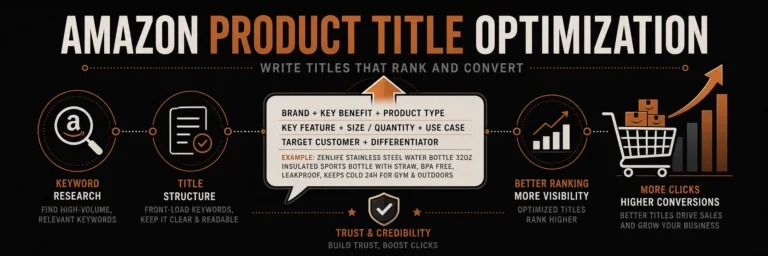
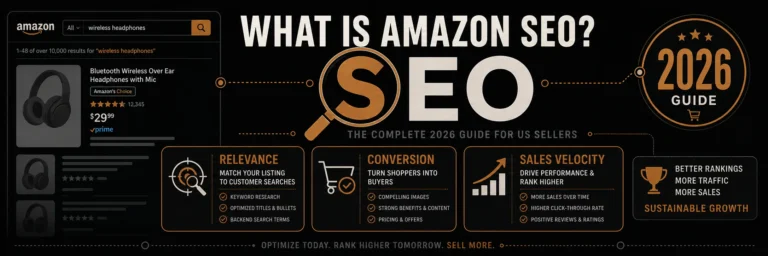
In the high stakes world of e-commerce, Amazon keyword research is no longer just about finding the biggest numbers. It is about understanding the human being behind the screen. Amazon‘s updated A10 algorithm and AI assistants like Rufus now prioritize relevance and genuine conversion over simple keyword stuffing.
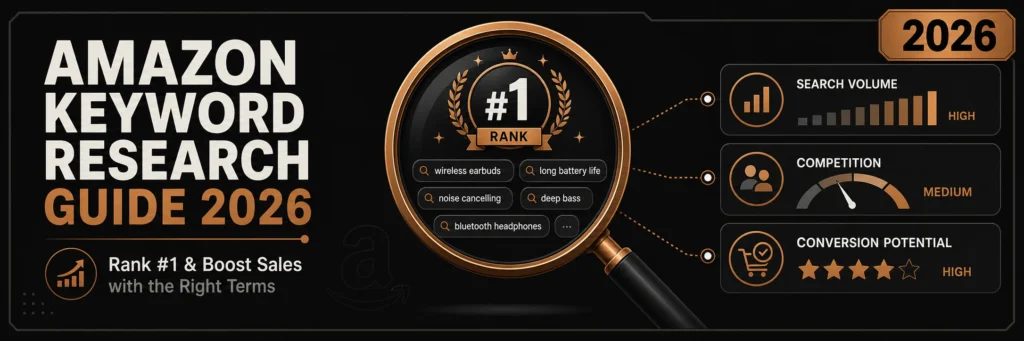
If you want your products to rank, you must bridge the gap between what a customer types and the solution you provide. This guide walks you through the advanced strategies for Amazon keyword research that drive real sales velocity and sustainable growth.
1. The Evolution of Intent Based Keyword Research
In previous years, sellers obsessed over high volume terms. Today, the smart money is on buyer intent keywords. A keyword with fifty thousand monthly searches might have a tiny conversion rate, while a long tail keyword with five hundred searches might convert at twenty percent because the customer knows exactly what they want.
The Three Tiers of Customer Intent
- Informational: Questions like how to clean a leather sofa. These have low immediate purchase intent.
- Comparison: Searches for the best ergonomic office chair vs gaming chair. These are mid intent shoppers looking for value.
- Transactional: Specific terms like black ergonomic office chair with lumbar support. These are high intent buyers ready to checkout.
2. Advanced Research with Helium 10
To truly find Amazon keywords that your competitors are missing, you need professional grade data. Helium 10 remains the gold standard for reverse engineering the success of top sellers.
Using the Reverse ASIN Lookup
Instead of guessing, look at what is already working for the market leaders. By entering a competitor ASIN into a tool like Cerebro, you can see their organic rank, their sponsored rank, and their keyword distribution. Focus on opportunity keywords where top competitors are ranking on the second or third page. These are the weak spots where a better optimized listing can easily take the lead.
3. Dominating Long Tail Keywords
Long tail keywords are the secret weapon for new product launches. They are specific, less expensive to bid on in PPC, and highly relevant. According to Ahrefs, long tail queries make up the vast majority of all searches online.
How to Uncover These Gems
- Amazon Autocomplete: Type your seed keyword into the search bar and watch the suggestions. These are based on real time customer data.
- Customer Reviews: Read your competitors’ four star reviews. Customers use natural language like perfect for small apartments or great for toddlers. These use case phrases are gold for Amazon keyword research.
- Competitor Gaps: Find keywords that are hidden in a competitor’s backend but not in their visible title.
4. The Science of Keyword Indexing
Simply having a keyword in your list is not enough. Amazon must index it. Keyword indexing is the process where the algorithm confirms your product is a relevant result for a specific search term.
Strategic Placement for Maximum Visibility
| Placement | Priority | Best Practice |
|---|---|---|
| Product Title | Highest | Place your primary keyword in the first eighty characters. |
| Backend Search Terms | High | Use all 249 bytes and do not repeat words from the title. |
| Bullet Points | Medium | Naturally weave in secondary and long tail keywords. |
5. Tracking Your Keyword Performance
Your Amazon keyword research is never truly finished. It is an ongoing conversation with the market. You must monitor your organic ranking for your target terms and adjust as trends shift.
- Weekly Check: Use a rank tracker to see if you are moving up or down.
- Monthly Audit: Review your PPC search term report. Identify terms that converted into a sale but are not in your listing yet.
- Seasonality: Adjust your keywords thirty days before a major holiday or event.
Conclusion: Success is Built on Data
Effective Amazon keyword research connects a great product with the person who needs it most. By focusing on buyer intent, leveraging tools like Helium 10, and ensuring proper indexing, you create a listing that attracts traffic and converts it into profit.
Next Step: Take your top three competitors today, run a reverse search, and find five long tail keywords they are ignoring. That is your fastest path to the top of the search results.
Architect Signature
Hasnain
Runs Amazon SEO and listing optimization for the Advertpreneur portfolio. He researches keywords and rebuilds listing architecture at the intersection of algorithm understanding and conversion copywriting.