WordPress 7.0.3 is now available, and this one should not sit in the backlog. WordPress describes 7.0.3 as a security release with several fixes and recommends that site owners update immediately.
For ecommerce operators, agencies, and service providers, this is an operational update. Security releases are not just technical housekeeping. They protect checkout trust, admin access, customer data exposure, plugin workflows, and the reliability of revenue-critical websites.
What WordPress Changed
In the official WordPress release post, WordPress says version 7.0.3 includes several security fixes. The release notes mention issues including cross-site scripting, a multisite privilege escalation issue, information disclosure, post slug enumeration, a server-side request forgery issue in URL validation, and other security-related fixes.
WordPress says site owners can update through Dashboard – Updates, download the release from WordPress.org, or rely on automatic background updates where supported.
Why This Matters For Ecommerce Sites
WordPress powers a large share of business websites, including WooCommerce stores, landing pages, lead generation sites, and service-business funnels. When a WordPress security release ships, the risk is not limited to the core CMS. The real risk is how core, plugins, themes, caching, checkout, forms, and tracking scripts behave together after the update.
That is why ecommerce teams should update quickly, but not carelessly. A good update process protects both security and conversion.
What Agencies And Store Owners Should Check
For WooCommerce and WordPress service providers, the immediate task is controlled rollout. Patch the site, test the commercial paths, and watch for regressions in the places where revenue or lead flow can break.
That includes checkout, account login, cart behavior, payment methods, shipping rates, forms, analytics events, caching, and page-builder templates. If the site uses custom plugins, membership logic, subscriptions, or multisite, the test plan should be more detailed.
Practical Update Checklist
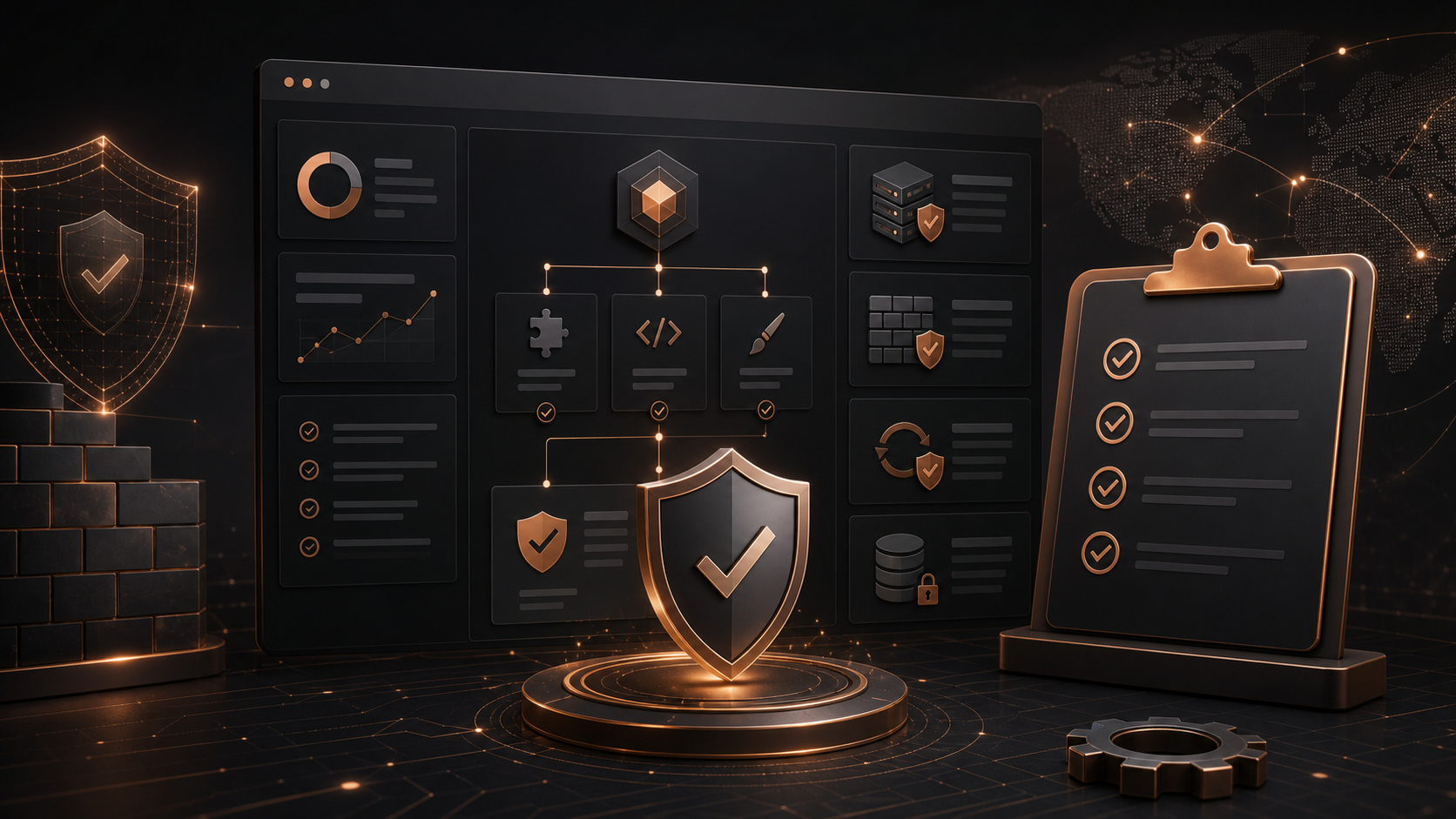
- Create a backup before applying the update on any revenue-critical site.
- Update WordPress core to 7.0.3 as soon as practical.
- Test login, checkout, cart, account pages, contact forms, and payment flows.
- Review plugin and theme compatibility notes, especially for WooCommerce and custom checkout logic.
- Clear caches and confirm key pages render correctly on desktop and mobile.
- Monitor error logs, security logs, failed payment rates, and form submissions after deployment.
- Confirm automatic updates are working where they are part of the maintenance model.
Source Reference
This article is based on the official WordPress release post: WordPress 7.0.3 release.
Advertpreneur Take
WordPress 7.0.3 is a reminder that ecommerce performance starts with operational discipline. A secure site, a tested checkout, reliable forms, and stable plugins are part of growth infrastructure.
For US businesses running WordPress or WooCommerce, the right move is clear: update quickly, test the paths that create revenue, and document the result.
Architect Signature
Haseeb
Leads all web development and design at Advertpreneur. With a background in graphic design since 2009, he builds storefronts that rank on Google and convert the traffic they earn through speed and SEO-structured architecture.